SDG
🌍 SDG DATA 2025
βœ… SDGs On Track: 18%
⬇️ SDGs In Decline: 18% Urgent
⚑ Electricity Access: 92%
πŸ’§ Safe Drinking Water: 74%
🚽 Managed Sanitation: 58%
🌑️ Temperature 2024: +1.55°C Alert
πŸ’¨ COβ‚‚ Emissions 2024: 37.6 Gt
🌊 Coral Reefs Bleached: 84%
πŸ”΅ Marine Protected Areas: 8.4%
🌳 Global Forest Cover: 31%
πŸ¦‹ Threatened Species: 47,000+
🌿 Protected Terrestrial Areas: 17.6%
🐟 Overfished Stocks: 35.5%
😒 Extreme Poverty: 808M people
🍽️ Food Insecurity: 2.3B people Crisis
πŸƒ Forcibly Displaced: 123M
πŸ’§ Without Clean Water: 2.2B people
πŸ”₯ Clean Cooking Access: 74%
βœ… SDGs On Track: 18%
⬇️ SDGs In Decline: 18% Urgent
⚑ Electricity Access: 92%
πŸ’§ Safe Drinking Water: 74%
🚽 Managed Sanitation: 58%
🌑️ Temperature 2024: +1.55°C Alert
πŸ’¨ COβ‚‚ Emissions 2024: 37.6 Gt
🌊 Coral Reefs Bleached: 84%
πŸ”΅ Marine Protected Areas: 8.4%
🌳 Global Forest Cover: 31%
πŸ¦‹ Threatened Species: 47,000+
🌿 Protected Terrestrial Areas: 17.6%
🐟 Overfished Stocks: 35.5%
😒 Extreme Poverty: 808M people
🍽️ Food Insecurity: 2.3B people Crisis
πŸƒ Forcibly Displaced: 123M
πŸ’§ Without Clean Water: 2.2B people
πŸ”₯ Clean Cooking Access: 74%
Details β†’

🌍 SDG Progress 2025

SDG Progress Status

Source: UN SDG Report 2025

βœ… On Track 18%
πŸ“ˆ Moderate Progress 17%
⚠️ Marginal Progress 31%
⏸️ Stagnation 17%
⬇️ Decline 18%

Environmental Indicators

Data 2023-2024

⚑
92%
Electricity Access
πŸ”₯
74%
Clean Cooking
πŸ’§
74%
Safe Drinking Water
🚽
58%
Sanitation

Climate Emergency 2024

Hottest year on record

🌑️
+1.55Β°C
Above Pre-Industrial Levels
πŸ’¨ COβ‚‚ Emissions: 37.6 Gt
🌊 Coral Bleaching: 84%
πŸ”΅ Marine Protected Areas: 8.4%

Biodiversity Status

Critical biodiversity loss

🌳 Forest Cover: 31%
πŸ¦‹ Threatened Species: 47,000+
🌿 Protected Areas: 17.6%
🐟 Overfishing: 35.5%
🌾 Degraded Land: 15.5%

Humanitarian Challenges 2024-2025

Key figures from global crises

😒 Extreme Poverty: 808M
🍽️ Food Insecurity: 2.3B
πŸƒ Forcibly Displaced: 123M
πŸ’§ Without Clean Water: 2.2B
⚑ Without Electricity: 666M
PARTNERS & INSTITUTIONS
Partner Logo 1
Partner Logo 2
Partner Logo 3
Partner Logo 4
Partner Logo 5
Partner Logo 6
Partner Logo 7
Partner Logo 8
Partner Logo 9
Labo Foresterie
Partner Logo 10
Partner Logo 1
Partner Logo 2
Partner Logo 3
Partner Logo 4
Partner Logo 5
Partner Logo 6
Partner Logo 7
Partner Logo 8
Partner Logo 9
Labo Foresterie
Partner Logo 10

The largest sustainable development gathering

2nd International Congress
on Sustainable Development

For a Better Quality of Life: Natural Resources at the Service of SDGs

πŸ“…
Date September 30 - October 2, 2026
πŸ“
Venue Abou Bekr Belkaid University, Tlemcen
Register Now β†’ πŸ“„ Congress Flyer β†’
β†’
GUEST SPEAKERS
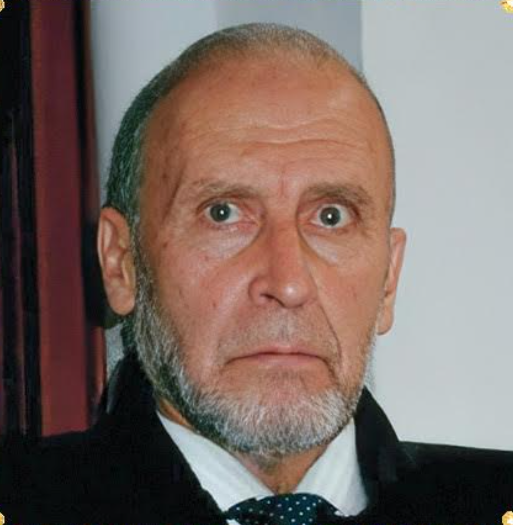
Prof. Mahi Tabet Aoul

Prof. Mahi Tabet Aoul

IHFR institute

Algeria
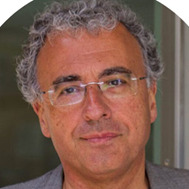
Prof. Roderic Guigo

Prof. Roderic Guigo

Pompeu Fabra University

Spain
Prof. Lakhdar Khelifi

Prof. Lakhdar Khelifi

ENSA Plant Biotechnology

Algeria
Prof. Iguer-Ouada Mokrane

Prof. Iguer-Ouada Mokrane

Abderrahmane Mira University Bejaia

Algeria
Carles Agusti i Hernandez

Carles Agusti i Hernandez

Worsley Company

Spain
Prof. Waldemar Surosz

Prof. Waldemar Surosz

University of Gdansk

Poland
Prof. Hanna Jurata Mazur-Marzec

Prof. Hanna Jurata Mazur-Marzec

University of Gdansk

Poland
Prof. Naim A. Khan

Prof. Naim A. Khan

University of Burgundy

France
Prof. Dr. Naif Abdullah Al-Dhabi

Prof. Dr. Naif Abdullah Al-Dhabi

King Saud University

Saudi Arabia
Prof. Norbert Francois Tchiadje Tchouaffe

Prof. Norbert Francois Tchiadje Tchouaffe

University of Ebolowa and Kesmonds International University

Cameroon
Prof. Soulimane Tewfik

Prof. Soulimane Tewfik

University of Limerick

Ireland
Prof. Samraoui BoudjΓ©ma

Prof. Samraoui Boudjèma

D.Phill. Univ. Oxford / Prof. Univ. Annaba β€” Ecology & Conservation Biology Β· Member of the Algerian Academy of Sciences

Algeria
Prof. Lakhdar Khelifi

Prof. Lakhdar Khelifi

ENSA Plant Biotechnology

Algeria
Prof. Iguer-Ouada Mokrane

Prof. Iguer-Ouada Mokrane

Abderrahmane Mira University

Algeria
Prof. Mahi Tabet Aoul

Prof. Mahi Tabet Aoul

IHFR Expert Researcher

International
Prof. Roderic Guigo

Prof. Roderic Guigo

Pompeu Fabra University

Spain
Carles Agusti i Hernandez

Carles Agusti i Hernandez

Worsley Company

Spain
Prof. Waldemar Surosz

Prof. Waldemar Surosz

University of Gdansk

Poland
Prof. Hanna Jurata Mazur-Marzec

Prof. Hanna Jurata Mazur-Marzec

University of Gdansk

Poland
Prof. Naim A. Khan

Prof. Naim A. Khan

University of Burgundy

France
Prof. Dr. Naif Abdullah Al-Dhabi

Prof. Dr. Naif Abdullah Al-Dhabi

King Saud University

Saudi Arabia
Prof. Norbert Francois Tchiadje Tchouaffe

Prof. Norbert Francois Tchiadje Tchouaffe

University of Ebolowa and Kesmonds International University

Cameroon
Prof. Soulimane Tewfik

Prof. Soulimane Tewfik

University of Limerick

Ireland

A transdisciplinary event for a sustainable future

The 2nd International Congress on Sustainable Development for a Better Quality of Life will bring together experts, researchers and field practitioners to share knowledge, experiences and innovative solutions.

Organized by the Faculty of Natural and Life Sciences and Earth and Universe Sciences in collaboration with the Faculty of Economic Sciences (Laboratory for Research in Management of People and Organizations) at Abou Bekr Belkaid University in Tlemcen.

300+ Expected Participants
6 Thematic Tracks
20+ Countries Represented
Discover the Tracks
SDBQL Congress
Hybrid Format In-Person & Online

πŸ“– Congress Introduction β€” Natural Resources at the Service of the SDGs

Click to discover the scientific context and challenges of SDBQL 2026

β–Ό

🌍 Congress Statement & Scope

With only four years remaining before the 2030 deadline, the international community faces an unprecedented challenge: only 18% of the Sustainable Development Goals are currently on track, while planetary boundaries are being crossed at an accelerating pace. Temperatures have already exceeded the critical +1.55Β°C threshold, biodiversity is declining at historic rates, and more than 2.3 billion people remain in a state of food insecurity. The Agenda 2030 is at a turning point, and natural resources β€” water, energy, soil, forests, biodiversity, and minerals β€” lie at the very heart of this challenge.

These resources are not merely economic inputs; they are the foundational infrastructure of human well-being and the backbone of every transition pathway toward sustainability. Yet current policy frameworks remain largely siloed and growth-oriented, failing to demand the systemic transformations that science calls for. Bridging this gap requires a new generation of integrated knowledge, multi-level governance, and decisive collective action.

The 2nd International Congress SDBQL 2026 is convened at this critical juncture to advance exactly this agenda. Rooted in a systems-thinking approach, the congress explores the resource nexus β€” the deep interconnections between water, energy, food, land, and materials β€” as a unifying framework for reducing trade-offs between SDGs. It examines the transformative potential of green innovation and digitalization, from smart monitoring to artificial intelligence, in enabling more efficient and equitable resource use. It brings to the fore the emerging imperative of mineral security, essential to the energy transition and digital economy yet largely absent from current SDG targets. And it foregrounds questions of social justice and governance: who bears the costs of resource extraction, who benefits from natural wealth, and how inclusive institutions can shape fairer outcomes.

SDBQL 2026 is above all a transdisciplinary space for dialogue and co-construction β€” bringing together scientists, practitioners, policymakers, civil society, and the private sector to confront field realities with cutting-edge research, and to collectively build a shared vision for the decade ahead and beyond 2030. We warmly invite all actors of sustainable development to join us in Tlemcen, Algeria, from September 30 to October 2, 2026.


♻️ Towards a Regenerative System Design

Beyond sustainability as mere mitigation, a growing body of science and practice calls for a deeper paradigm shift: the transition from linear extractive economies to regenerative systems that restore the natural cycles they depend on. A regenerative system design is not simply about reducing harm β€” it is about engineering processes, value chains, and institutions that actively replenish ecological capital, rebuild soil fertility, restore watershed functions, and close material loops at every scale.

At its core, regenerative design draws on the principles of the circular economy β€” eliminating waste by keeping materials, nutrients, and energy in use for as long as possible β€” but goes further by embedding these principles within living systems logic. Where the circular economy asks "how do we recycle?", regenerative design asks "how do we restore?" This means designing agricultural systems that rebuild soil organic matter while producing food, developing urban metabolisms that recover water, energy, and nutrients from waste streams, and creating industrial ecosystems where the by-products of one process become the raw inputs of another.

Natural resources play a central role in this vision. Biomass, organic waste, wastewater, and mineral residues β€” traditionally treated as liabilities β€” become strategic assets within a regenerative framework. Biorefineries transform agricultural residues into bioenergy, biomaterials, and biochemicals. Constructed wetlands and nature-based solutions filter and recycle water while supporting biodiversity. Urban mining recovers critical minerals from electronic waste, reducing dependence on primary extraction and its social and environmental costs.

Integrating regenerative system design into the SDG framework offers a powerful pathway to simultaneously address resource scarcity, climate resilience, biodiversity loss, and social equity. It places innovation, territorial intelligence, and multi-stakeholder governance at the service of a genuinely restorative economy β€” one that does not merely sustain what remains, but actively rebuilds the natural and social foundations of long-term prosperity. SDBQL 2026 invites researchers and practitioners to share experiences, tools, and visions that advance this transformative agenda.

Prof. Nehar Benameur

President of the Scientific Committee β€” SDBQL 2026 Congress

Organizing Committee being finalized

Honorary Committee

Prof. Meghachou Mourad Rector, University Abou Bekr Belkaid - Tlemcen
Prof. Hamza Cherif Ali Vice-Rector of External Relations - University of Tlemcen
Prof. Bachir Redouane Vice-Rector of Postgraduate Higher Education - University of Tlemcen
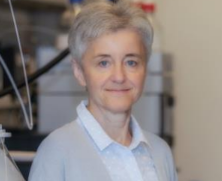
Prof. Bensaim Bounouar Vice-Rector of Higher Education - University of Tlemcen
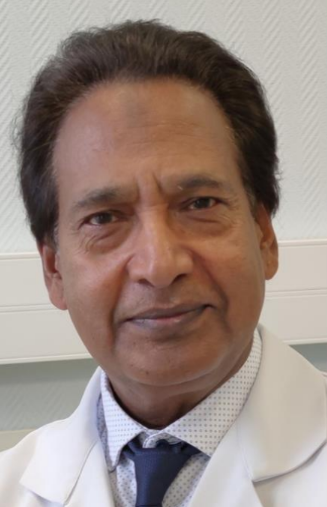
Prof. Mokhtari-Soulimane Nassima Amel Dean, Faculty of Natural and Life Science and Earth and Universe - University of Tlemcen
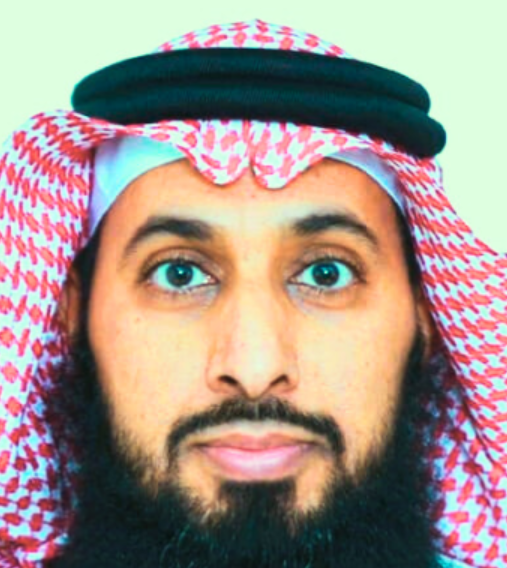
Prof. Benladghem Fethi Dean, Faculty of Economics - University of Tlemcen
Prof. Tabet Aoul Lachachi Wassila Laboratory Director β€” Labo LARMHO / University of Tlemcen
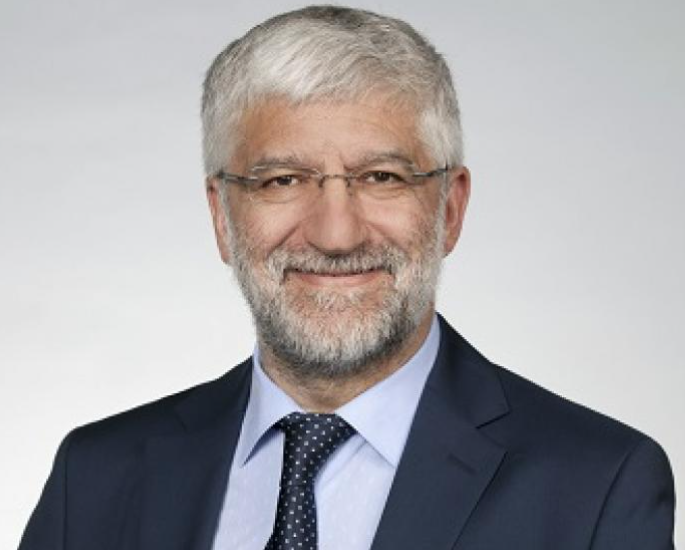
Congress Direction

Organizing Committee Members being finalized β–Ό

Track 1 β€” Sustainable Agriculture and Food Security Coordinator: Prof. Yousfi-Khouani Fatma | Members of AFTAGRO Laboratory, GenApAgiE Laboratory, LAPRONA Laboratory, LAMAABE Laboratory & GCESFDDZMT Laboratory, Univ. Tlemcen
Track 2 β€” Bioenergy and Renewable Energies Coordinator: Prof. Merzouk Abdessamad | Members of LECGEN Laboratory, Univ. Tlemcen
Track 3 β€” Biodiversity and Management of Aquatic and Terrestrial Ecosystems Coordinator: Prof. Gaouar Semir Bechir Suheil | Members of GenApAgiE Laboratory, GCESFDDZMT Laboratory, LECGEN Laboratory, VAHPEASP Laboratory, AFTAGRO Laboratory, PRHMP Laboratory & LAPRONA Laboratory, Univ. Tlemcen
Track 4 β€” Climate Action and Climate Change Coordinator: Prof. Haddouche Driss | Members of GCESFDDZMT Laboratory, VAHPEASP Laboratory, LECGEN Laboratory, PRHMP Laboratory & AFTAGRO Laboratory, Univ. Tlemcen
Track 5 β€” Health and Well-being Coordinator: Prof. Rebiahi Sid Ahmed | Members of LAMAABE Laboratory, LAPSAB Laboratory, LAPRONA Laboratory, GenApAgiE Laboratory, PPABIONUT Laboratory & VAHPEASP Laboratory, Univ. Tlemcen
Track 6 β€” Socio-Economic Partnerships for Sustainable Development Coordinators: Prof. Tabet Aoul Lachachi Wassila & Dr. Nehar Benameur | Members of LARMHO Laboratory, AFTAGRO Laboratory, LAMAABE Laboratory, LAPSAB Laboratory, LAPRONA Laboratory, GenApAgiE Laboratory, PPABIONUT Laboratory, VAHPEASP Laboratory, PRHMP Laboratory, GCESFDDZMT Laboratory & LECGEN Laboratory, Univ. Tlemcen

Scientific Committee being finalized β–Ό

Prof. Azzi Rachid Labo LAPSAB / University of Tlemcen
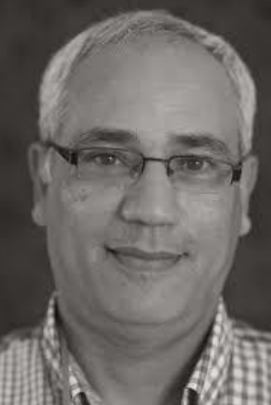
Prof. Rahmoun Nadjib Mohammed Labo LAPSAB / University of Tlemcen
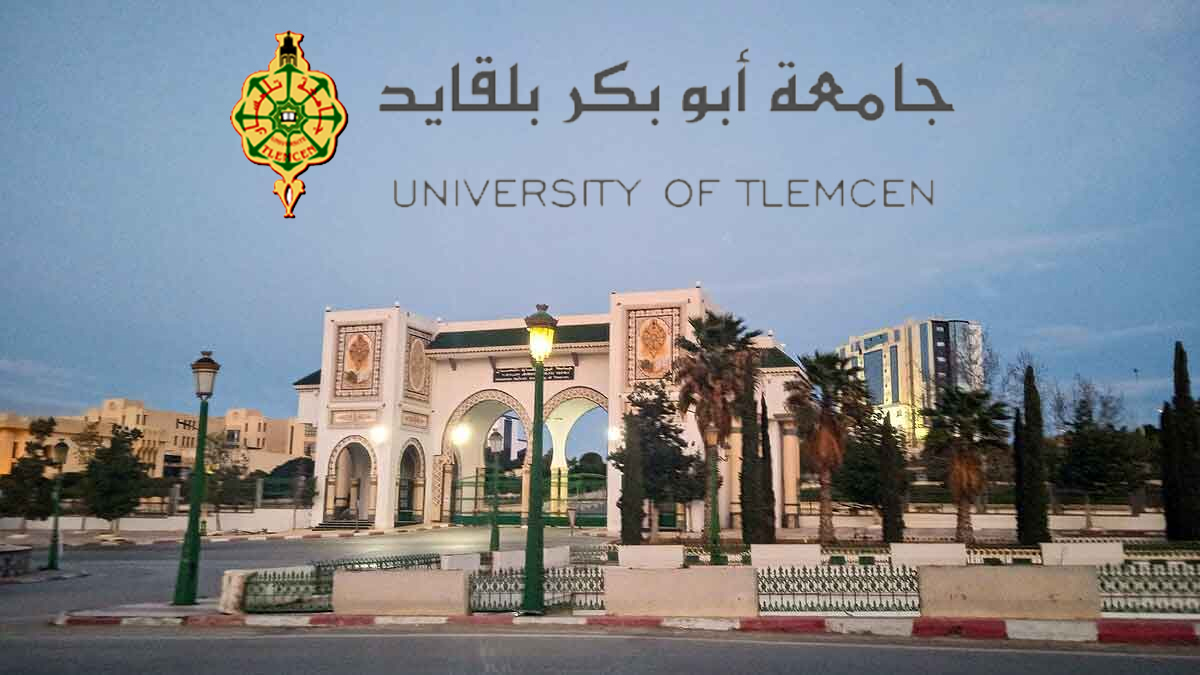
Prof. Chaouch Tarik Mohammed LAPRONA / University of Tlemcen
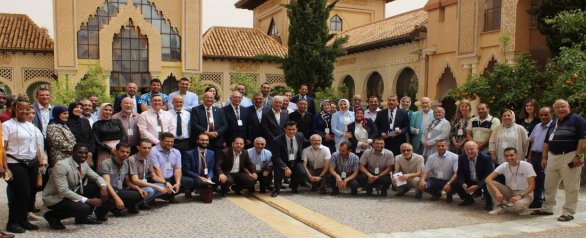
Dr. Kazi-Tani Lotfi Mustapha Labo AFTAGRO / University of Tlemcen
Dr. Bensefia Kamar Eddine University of Tlemcen
Prof. Hassani FaiΓ§al Labo LECGEN / University of Tlemcen
Dr. Bensenane Bachir Labo PPABIONUT / University of Tlemcen
Prof. Tabet Aoul-Lachachi Wassila Labo LARMHO / University of Tlemcen
Prof. Benledghem Fethi Labo LARMHO / University of Tlemcen
Prof. Ghomari Souhila Labo LARMHO / University of Tlemcen
Prof. Ferouani Belkacem Labo LARMHO / University of Tlemcen
Prof. Merad Boudia Djamil Labo LARMHO / University of Tlemcen
Prof. Tafer Zoheir Labo LARMHO / University of Tlemcen
Prof. Wafa Berbar Labo LARMHO / University of Tlemcen
Prof. Hammadi Bensmain Lamia Labo LARMHO / University of Tlemcen
Prof. Tounès Azzedine INSEEC, France
Prof. Bouchikhi Tani Zoheir Labo VAHPEASP / University of Tlemcen
Prof. Abdellaoui Karima Labo VAHPEASP / University of Tlemcen
Dr. Benguedda-Rahal Wacila Labo VAHPEASP / University of Tlemcen
Prof. Damerdji Amina Labo VAHPEASP / University of Tlemcen
Prof. Taibi Ahmed SNV Institute / University Center of Tipaza
Prof. Belarbi Meriem LAPRONA / University of Tlemcen
Prof. Belyagoubi-Benhammou Nabila LAPRONA / University of Tlemcen
Prof. Ghanemi Fatima Zahra LAPRONA / University of Tlemcen
Prof. Bendahmane Yasmina University of Sidi Bel Abbes
Prof. Djebli Noureddine University of Abdelhamid Ibn Badis, Mostaganem
Prof. Khan Naim University of Burgundy Dijon, France
Prof. Ksouri Riadh Biotechnology Center, Borj Cedria, Tunisia
Dr. Mezouar Dounia Labo LAPSAB / University of Tlemcen
Prof. Boucherit-Otmani Zahia Labo LAPSAB / University of Tlemcen
Dr. Adida Houria Labo LAPSAB / University of Tlemcen
Dr. Aissaoui Nadia University of Naama
Prof. Rebiahi Sid Ahmed Labo LAMAABE / University of Tlemcen
Prof. Hassaine Hafida Labo LAMAABE / University of Tlemcen
Prof. Boublenza Lamia Labo LAMAABE / University of Tlemcen
Prof. Aouf Abdelhakim Setif 1 University - Ferhat Abbas
Prof. Loucif Lotfi University of Batna 2
Prof. Mostefai Noureddine Labo GCESFDDZMT / University of Tlemcen
Prof. Haddouche Driss Labo GCESFDDZMT / University of Tlemcen
Prof. Bouhraoua Rachid Tarik Labo GCESFDDZMT / University of Tlemcen
Dr. Mahi Habib Center of Space Technics, Arzew
Dr. Morsli Boutkhil National Institute of Forestry Research (INRF), Tlemcen
Prof. Gustave Gintzburger Distinguished researcher - Australia
Dr. Saidi Slim Expert consultant CEPE, CIRAD, France
Prof. Merzouk Abdessamad Labo LECGEN / University of Tlemcen
Prof. Stambouli-Meziane Haciba Labo LECGEN / University of Tlemcen
Prof. Bendidjelloul Sidi Mohamed Bahaeddine Labo LECGEN / University of Tlemcen
Prof. Benaradj Abdelkrim University of Naama
Dr. Amara Mohamed University Ain Temouchent Belhadj Bouchaib
Prof. Gaaloul Noureddine INGREF, Tunisia
Prof. Gaouar Semir Bechir Suheil Labo GenApAgiE / University of Tlemcen
Dr. Sidhoum Mohammed Labo GenApAgiE / University of Tlemcen
Dr. Salah Zahra Labo GenApAgiE / University of Tlemcen
Prof. Chehma Abdelmadjid University of GhardaΓ―a
Prof. Derrar Fawzi Pasteur Institute of Algeria
Prof. Romdhane Karoui University of Artois, France
Prof. Selamnia Adam Mohamed University of Luxembourg
Prof. Yousfi-Khouani Fatma Labo AFTAGRO / University of Tlemcen
Prof. Zenasni Mohamed Amine Labo AFTAGRO / University of Tlemcen
Dr. Azzi Noureddine Labo AFTAGRO / University of Tlemcen
Prof. Amrani Noureddine OAIC, Algiers
Prof. Mokri Samir OAIC, Algiers
Prof. Harraz Nermine Alexandria University, Egypt
Prof. Metin TΓΌrkay KoΓ§ University, Turkey
Prof. Bouanani Abderrazak Labo PRHMP / University of Tlemcen
Prof. Baba-Hamed Kamila Labo PRHMP / University of Tlemcen
Dr. Guettaia Sabrine Labo PRHMP / University of Tlemcen
Prof. Derdour Abdesamed Naama University, Algeria
Prof. Djellouli Faycel El Bayedh University, Algeria
Prof. Cherrak Sabri Ahmed Labo PPABIONUT / University of Tlemcen
Prof. Merzouk Hafida Labo PPABIONUT / University of Tlemcen
Prof. Saker Meriem Labo PPABIONUT / University of Tlemcen
Prof. Medjdoub Amel University Ahmed Ben Bella, Oran 1
Prof. Loukidi NΓ©e Bouchenak Khelladi Bouchra Labo PPABIONUT / University of Tlemcen
Prof. Khelifi Lakhdar ENSA Plant Biotechnology, Algiers β€” Member of the National Scientific Council for Food Security
Prof. Bentaouef Ali University of Saida
Prof. Samraoui Boudjèma D.Phill. Univ. Oxford / Prof. Univ. Annaba — Ecology & Conservation Biology · Member of the Algerian Academy of Sciences and Technologies
Prof. Soulimane Tewfik University of Limerick, Ireland
Prof. Waldemar Surosz University of Gdansk, Poland
Prof. Mazur-Marzec Hanna Jurata University of Gdansk, Poland
Prof. Naif Abdullah Al-Dhabi King Saud University, Saudi Arabia
Dr. Joachim Henjes Alfred Wegener Institute, Germany
Dr. Tara Mathien University of Florida, USA
Prof. Luciana Cabrini SimΓ΅es Calvo State University of MaringΓ‘, Brazil
Prof. Lynn Hartle Pennsylvania State University, USA
Prof. Norbert F. Tchouaffe Tchiadje University of Ebolowa, Cameroun
Prof. Dominik WrΓ³bel State University of Krosno, Poland
Dr. Aliya Fazal Fatima Jinnah Women University, Pakistan
Prof. Maartje Musschenga HAS Academy, Netherlands
Other names will be added
Join the Organizing and Scientific Committee

Thematic Tracks

Six key pillars for building a sustainable future together

01
🌾

Sustainable Agriculture and Food Security

Environmentally friendly agricultural practices and strategies to ensure equitable access to healthy and sustainable food.

02
⚑

Bioenergy and Renewable Energies

Advances in bioenergy technologies and renewable energy sources to reduce our carbon footprint.

03
πŸ¦‹

Biodiversity and Ecosystem Management

The importance of biodiversity and ways to effectively manage our aquatic and terrestrial ecosystems.

04
🌍

Climate Action

Workshops and roundtables on policies and actions to mitigate the effects of climate change.

05
πŸ’š

Health and Well-being

Link between environment and health, holistic approaches to promote well-being for all.

06
🀝

Socio-economic Partnerships

Collaborations between public and private sectors to create synergies and sustainable initiatives.

The Success of SDBQL 2024

The first edition of the SDBQL congress was held on June 26-27, 2024 at the Andalusian Studies Center in Tlemcen, bringing together 169 participants from over 20 countries.

πŸ‘₯

169

Participants

146 national β€’ 23 international
🌐

20+

Nationalities

USA, Spain, Brazil, Poland...
πŸ“

455

Submissions Received

169 presentations selected
🎯

7

Symposia

+ Doctoral Workshop
🎀

International Speakers

Plenary sessions with world-renowned experts

πŸ”¬

Doctoral Workshop

24 posters presented by PhD students

🀝

Partnerships

MDI Business School, PAUWES, CNRPAH

πŸ›οΈ

Cultural Visit

Citadel of El-Mechouar, Beni Add Caves

Important Dates being finalized

Don't miss any deadline

March 2026

Submissions Open

Submission of abstracts and full papers

June 20, 2026

Abstract Submission Deadline

Final deadline for submitting your abstracts

July 18, 2026

Abstract Acceptance Notification

Authors will be notified of abstract acceptance

September 1, 2026

Confirmation Notification

Confirmation emails will be sent starting from this date

Participant Registration - SDBQL 2026 β†’

Limited spots - Register now!

πŸ’³ Registration Fees

πŸŽ“
PhD Students
4 000 DA
πŸ‘¨β€πŸ«
Teachers, Researchers & Others
6 000 DA

Payment on-site on the day of the event

Sponsorship and Registration being finalized

Become a privileged partner of SDBQL 2026

Senior Sponsor

400 000 DA
  • βœ“ Mention on website
  • βœ“ Logo on posters
  • βœ“ Presence in documentation
  • βœ“ Advertising panels
  • βœ“ Communication on services
  • βœ“ Significant visibility
Become a sponsor

Junior Sponsor

200 000 DA
  • βœ“ Mention on website
  • βœ“ Logo on posters
  • βœ“ Presence in documentation
  • βœ“ Communication on initiatives
  • βœ“ Event visibility
Become a sponsor

Confirmed Partners being finalized

ONA National Sanitation Office
Your Company Join Us

Abou Bekr Belkaid University
Tlemcen, Algeria

SNV-STU Faculty

New Pole - Ring Road II - Mansourah
Tlemcen 13000, Algeria

The Faculty of Natural and Life Sciences and Earth and Universe Sciences has modern facilities and spacious amphitheaters to host this major scientific event.

πŸ›οΈ Modern Campus
πŸŽ“ Equipped Amphitheaters
πŸ“‘ High-Speed Internet
🍽️ On-site Catering

Discover Tlemcen

Known as the "Pearl of the Maghreb", Tlemcen is a city rich in history and culture. Participants will be able to discover its exceptional heritage.

Tlemcen University
Campus
Amphitheater

How to Get There

By car: Take Ring Road II, exit at Mansourah

By transport: Bus lines 3 and 7, stop at "University SNV-STU"

GPS coordinates: 34.8813Β° N, 1.3156Β° W

Get Directions

Let's Stay in Touch

General Information

πŸ“§
πŸ“±
πŸ“ 
Fax +213 43 21 55 34
πŸ“
Address BP 226 Tlemcen 13000, Algeria

Congress Direction

President: Prof. Mokhtari-Soulimane Nassima Amel

President of the Scientific Committee: Prof. Nehar Benameur

Send Us a Message